What is Ulcerative Colitis?
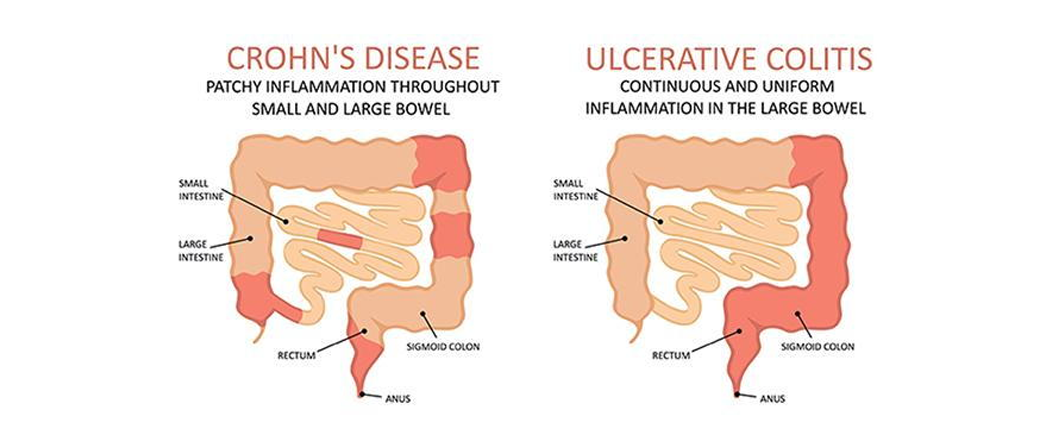
Ulcerative Colitis (UC) is a chronic inflammatory bowel disease (IBD) that causes inflammation and ulcers in the inner lining of the large intestine (colon) and rectum. It occurs when the immune system mistakenly attacks the digestive tract, leading to symptoms like abdominal pain, diarrhea, and rectal bleeding. UC is a long-term condition with periods of flare-ups and remission, requiring ongoing management.
Symptoms of Ulcerative Colitis
- Frequent loose stools or diarrhea
- Blood or mucus in stools
- Abdominal pain and cramping
- Urgency to pass stools
- Unexplained weight loss
- Fatigue and weakness
- Loss of appetite
- Fever (during severe flare-ups)
Types of Ulcerative Colitis
- Ulcerative Proctitis: Inflammation limited to the rectum.
- Left-Sided Colitis: Involves rectum, sigmoid colon, and descending colon.
- Pancolitis: Inflammation affecting the entire colon, often severe.
Causes & Risk Factors
- Abnormal immune system response
- Family history of inflammatory bowel disease
- Age (commonly diagnosed between 15–35 years)
- Genetic predisposition
- Environmental triggers (infections, stress)
- Diet and lifestyle factors may worsen flare-ups
Diagnosis of Ulcerative Colitis
- Colonoscopy with biopsy (gold standard)
- Stool tests to rule out infections
- Blood tests for inflammation markers
- CT Scan or MRI of the abdomen
- Sigmoidoscopy for limited evaluation
Treatment Options
Treatment aims to reduce inflammation, control symptoms, prevent flare-ups, and improve quality of life.
- Aminosalicylates (5-ASA): First-line therapy to reduce inflammation.
- Corticosteroids: Used short-term for severe flare-ups.
- Immunosuppressants: For patients not responding to standard therapy.
- Biologics & Targeted Therapies: Advanced treatment for moderate to severe UC.
- Antibiotics: For complications or infections.
- Surgery: Required in severe, non-responsive cases.
- Dietary and lifestyle modifications.
Complications if Left Untreated
- Severe bleeding
- Dehydration and malnutrition
- Toxic megacolon
- Colon perforation
- Increased risk of colon cancer
- Joint pain, eye inflammation, and skin disorders
Diet & Lifestyle Tips for Managing Ulcerative Colitis
- Eat small, frequent meals
- Avoid spicy, fatty, and high-fiber foods during flare-ups
- Stay hydrated
- Limit caffeine, dairy, and alcohol
- Manage stress with yoga or meditation
- Follow prescribed medications regularly
Why Early Management is Important?
Timely diagnosis and consistent treatment help control inflammation, reduce flare-ups, prevent long-term complications, and significantly improve quality of life for individuals living with Ulcerative Colitis.
Book an Appointment – Dr. Harshad Khairnar
For expert evaluation and advanced management of Ulcerative Colitis and chronic digestive disorders, schedule your appointment with Dr. Harshad Khairnar today. Get personalized treatment and long-term care for a healthier life.