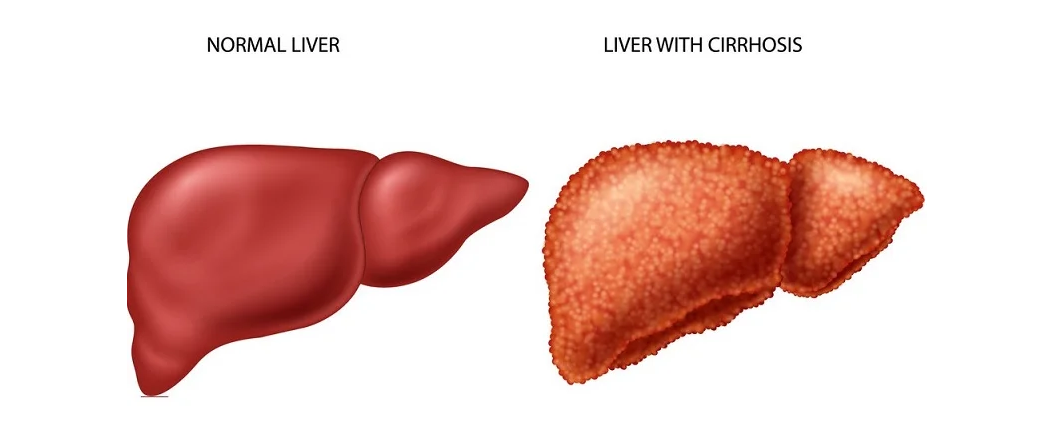
What is Cirrhosis of the Liver?
Cirrhosis is a late stage of chronic liver disease where the normal liver tissue is replaced by scar tissue. This scarring blocks the flow of blood through the liver and affects its ability to function properly. Over time, cirrhosis can lead to life-threatening complications, making early diagnosis and continuous medical care extremely important.
Common Causes of Cirrhosis
- Chronic Hepatitis B & C infection
- Alcoholic liver disease
- Non-alcoholic fatty liver disease (NAFLD/NASH)
- Autoimmune hepatitis
- Genetic disorders (Wilson’s disease, Hemochromatosis)
- Chronic bile duct diseases
Symptoms of Cirrhosis
- Fatigue and weakness
- Loss of appetite and weight loss
- Jaundice (yellowing of skin and eyes)
- Swelling in legs (edema) and abdomen (ascites)
- Easy bruising or bleeding
- Confusion or memory problems (hepatic encephalopathy)
- Spider-like blood vessels on the skin
Complications of Cirrhosis
- Portal Hypertension: High pressure in the liver veins.
- Esophageal & Gastric Varices: Dilated veins that may bleed dangerously.
- Ascites: Fluid accumulation in the abdomen.
- Hepatic Encephalopathy: Confusion, altered behavior, or coma.
- Hepatorenal Syndrome: Kidney dysfunction due to advanced liver disease.
- Infections: Including spontaneous bacterial peritonitis.
- Liver Cancer (Hepatocellular Carcinoma): Increased risk in cirrhosis patients.
Diagnosis of Cirrhosis
- Liver function tests
- Ultrasound abdomen / Doppler study
- FibroScan to measure liver stiffness
- CT/MRI abdomen for advanced assessment
- Endoscopy to check for varices
- Liver biopsy in selected cases
Treatment of Cirrhosis
While the scarring caused by cirrhosis cannot be reversed, treatment focuses on slowing disease progression, preventing complications, and improving quality of life.
- Medications to manage underlying cause (Hepatitis B/C, autoimmune disease)
- Stopping alcohol completely
- Treatment of ascites, infections, encephalopathy
- Endoscopic treatment for variceal bleeding
- Nutritional support and lifestyle modifications
- Regular screening for liver cancer
- Liver transplant evaluation in advanced cases
How to Prevent Cirrhosis?
- Avoid alcohol or drink in moderation
- Maintain a healthy weight to prevent fatty liver
- Get vaccinated for Hepatitis A & B
- Practice safe sex and avoid sharing needles
- Control diabetes, cholesterol, and blood pressure
- Regular liver checkups for high-risk individuals
Why Early Treatment is Important?
Early management helps slow down liver damage, reduces chances of complications, and prevents the need for liver transplantation. Timely treatment significantly improves survival and quality of life.
Book an Appointment – Dr. Harshad Khairnar
For expert evaluation and comprehensive management of cirrhosis and chronic liver diseases, book your consultation with Dr. Harshad Khairnar today.