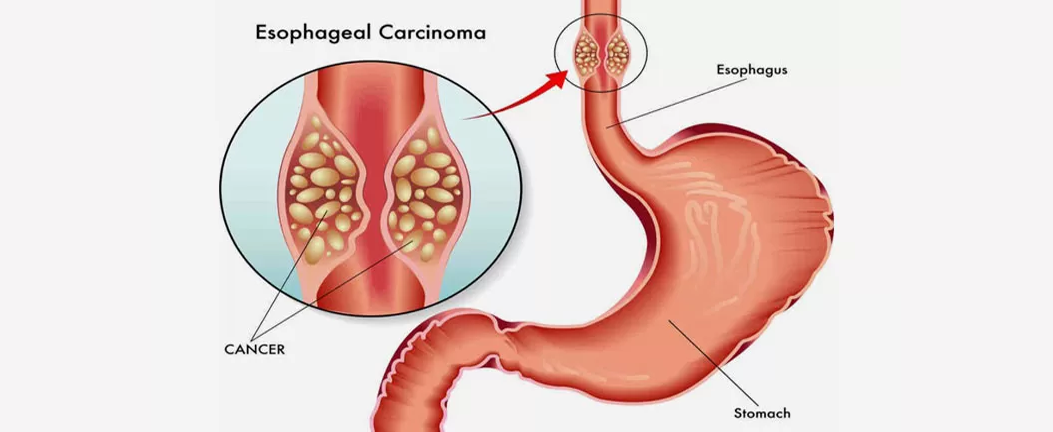
What is CA Esophagus / CA Stomach?
CA Esophagus and CA Stomach refer to cancers that develop in the esophagus (food pipe) and the stomach. These cancers are part of the upper gastrointestinal (GI) tract and can significantly affect swallowing, digestion, and nutrition. Early symptoms may be minimal, making timely evaluation essential for better treatment outcomes.
Symptoms
- Difficulty in swallowing (Dysphagia)
- Pain or discomfort while swallowing
- Unexplained weight loss
- Persistent heartburn or acidity
- Vomiting (sometimes with blood)
- Loss of appetite
- Black or tarry stools (stomach cancer)
- Chest discomfort or back pain
- Anemia and fatigue
Risk Factors
- Chronic acidity or GERD (acid reflux)
- Smoking and tobacco consumption
- Alcohol misuse
- Obesity
- Helicobacter pylori infection (for stomach cancer)
- Diet low in fruits/vegetables, high in smoked or salted foods
- Family history of GI cancers
- Barrett’s esophagus
- Advancing age (more common after 50)
Diagnosis
- Upper GI Endoscopy (EGD)
- Biopsy for definitive diagnosis
- CT Scan of chest and abdomen
- PET-CT scan for staging
- Endoscopic Ultrasound (EUS)
- Barium swallow test (for swallowing issues)
- Blood tests including anemia profile
Treatment Options
Treatment depends on cancer type, location, stage, and patient’s health condition.
- Surgery: Esophagectomy / Gastrectomy for operable cases
- Endoscopic treatments: EMR / ESD for early-stage cancers
- Chemotherapy: Before or after surgery, or for advanced disease
- Radiation therapy: Often combined with chemotherapy
- Targeted therapy: Based on tumor-specific markers (HER2, etc.)
- Immunotherapy: For eligible advanced-stage patients
- Palliative care: Relief from swallowing issues, pain & symptoms
Possible Complications
- Severe difficulty swallowing
- Nutritional deficiencies and weight loss
- Bleeding or obstruction
- Metastasis to liver, lungs or lymph nodes
- Pain requiring specialized care
- Post-treatment swallowing or digestion issues
Diet & Lifestyle Recommendations
- Eat small, frequent meals
- Prefer soft, easy-to-swallow foods
- Avoid spicy, acidic and very hot foods
- Reduce alcohol and quit tobacco use
- Maintain healthy body weight
- Follow nutrition plans recommended by a dietitian
Why Early Detection Matters?
Most esophageal and stomach cancers show late symptoms. Detecting the disease early allows timely treatment, improves surgical success rates, and significantly boosts survival outcomes.
Book an Appointment – Dr. Harshad Khairnar
For expert evaluation of swallowing difficulties, persistent acidity, abdominal discomfort, or suspected GI cancers, consult Dr. Harshad Khairnar. Receive precise diagnosis, advanced treatment options, and comprehensive gastrointestinal care for better recovery.