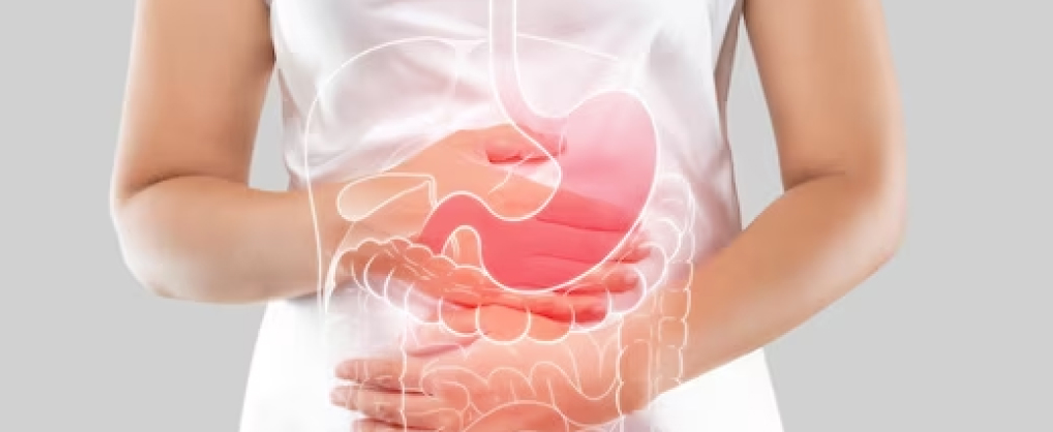
What is Gastrointestinal Tuberculosis?
Gastrointestinal Tuberculosis (GI TB) is a form of tuberculosis that affects the digestive system, most commonly the intestines, abdominal lymph nodes, peritoneum, and sometimes the stomach or esophagus. It is caused by Mycobacterium tuberculosis and is more common in regions where TB infections are widespread. GI TB can mimic other conditions like Crohn’s disease, making accurate diagnosis essential.
Common Symptoms of GI Tuberculosis
- Chronic abdominal pain
- Unexplained weight loss
- Persistent fever or night sweats
- Loss of appetite
- Prolonged diarrhea or constipation
- Abdominal swelling (due to lymph nodes or ascites)
- Blood in stools (occasionally)
- Fatigue and weakness
Common Sites Affected
- Ileocecal region (most common)
- Colon
- Abdominal lymph nodes
- Peritoneum (abdominal lining)
- Stomach and esophagus (rare)
Causes & Risk Factors
- Spread from primary lung tuberculosis
- Swallowing infected sputum
- Weak immune system
- HIV/AIDS or chronic illnesses
- Malnutrition
- Close contact with TB-infected individuals
Diagnosis of Gastrointestinal Tuberculosis
- Blood tests and TB markers
- Ultrasound or CT Scan of the abdomen
- Colonoscopy or Endoscopy with biopsy
- Adenosine deaminase (ADA) test in ascitic fluid
- Chest X-ray to detect pulmonary TB
- GeneXpert or PCR for detecting TB bacteria
Treatment Options
GI TB is treated with a combination of anti-tuberculosis medications, usually for 6–9 months. Early treatment leads to excellent recovery in most patients.
- Anti-TB therapy (ATT): Standard multi-drug regimen
- Nutritional support to improve recovery
- Treatment of complications like obstruction or perforation
- Endoscopic or surgical intervention in severe cases
- Monitoring for drug resistance
Possible Complications if Untreated
- Intestinal obstruction
- Perforation and peritonitis
- Severe malnutrition
- Formation of strictures or fistulas
- Spread of infection to other organs
Diet & Lifestyle Tips for GI TB
- Eat a protein-rich and well-balanced diet
- Stay hydrated
- Avoid spicy or heavy foods during treatment
- Take TB medicines exactly as prescribed
- Avoid smoking and alcohol
- Regular follow-up with your doctor
Why Early Diagnosis is Important?
Early detection prevents complications such as intestinal blockage, strictures, and long-term damage. Proper treatment improves symptoms quickly and prevents the spread of infection within the body.
Book an Appointment – Dr. Harshad Khairnar
For accurate diagnosis and advanced treatment of Gastrointestinal Tuberculosis and abdominal symptoms, schedule your consultation with Dr. Harshad Khairnar today. Experience personalized care and expert management for faster recovery.