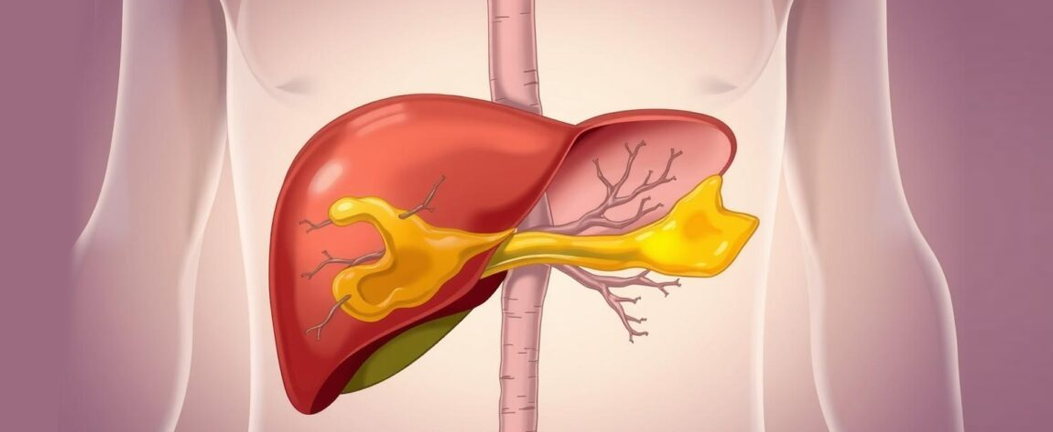
What is Obstructive Jaundice?
Obstructive jaundice occurs when there is a blockage in the bile ducts, preventing bile from flowing from the liver to the intestine. This leads to a buildup of bilirubin in the body, causing yellow discoloration of the skin and eyes. The condition requires timely diagnosis and treatment to prevent serious liver damage and complications.
Causes of Obstructive Jaundice
- Gallstones: The most common cause blocking the bile duct.
- Bile Duct Stricture: Narrowing due to inflammation or previous surgery.
- Pancreatic Cancer: Tumor compressing the bile duct.
- Bile Duct Tumors (Cholangiocarcinoma): Malignancy obstructing bile flow.
- Pancreatitis: Swelling of the pancreas causing blockage.
- Parasitic infections (in certain regions).
Symptoms of Obstructive Jaundice
- Yellowing of skin and eyes
- Dark urine and pale/clay-colored stools
- Severe itching (pruritus)
- Loss of appetite and weight loss
- Abdominal pain (especially in gallstone-related cases)
- Nausea and vomiting
- Fever and chills (when infection is present)
Diagnosis of Obstructive Jaundice
- Liver function tests
- Ultrasound abdomen to detect obstruction
- MRCP (Magnetic Resonance Cholangiopancreatography)
- CT scan for detailed imaging
- ERCP (Endoscopic procedure for diagnosis and treatment)
- Endoscopic ultrasound in selected cases
Treatment Options
Treatment depends on the cause and severity of the obstruction. The goal is to relieve the blockage and manage symptoms and complications.
- ERCP: To remove gallstones, place stents, or widen narrowed ducts.
- Surgical treatment: For tumors, strictures, or complex obstructions.
- Stent placement: To allow bile drainage in cancer-related blockages.
- Antibiotics: If infection (cholangitis) is present.
- Pain management and supportive care.
Complications if Left Untreated
- Cholangitis (bile duct infection)
- Severe liver damage
- Malabsorption of fats and vitamins
- Pancreatitis
- Life-threatening sepsis
Prevention Tips
- Maintain a healthy diet to reduce gallstones
- Avoid smoking and alcohol
- Regular monitoring if you have liver or pancreatic issues
- Early evaluation of persistent jaundice
Why Early Treatment is Essential?
Early diagnosis helps identify the exact cause of obstruction and prevents irreversible liver damage. Timely intervention—especially with ERCP—can relieve symptoms quickly and reduce the risk of complications.
Book an Appointment – Dr. Harshad Khairnar
For accurate diagnosis and advanced treatment of obstructive jaundice and related conditions, book your consultation with Dr. Harshad Khairnar today.