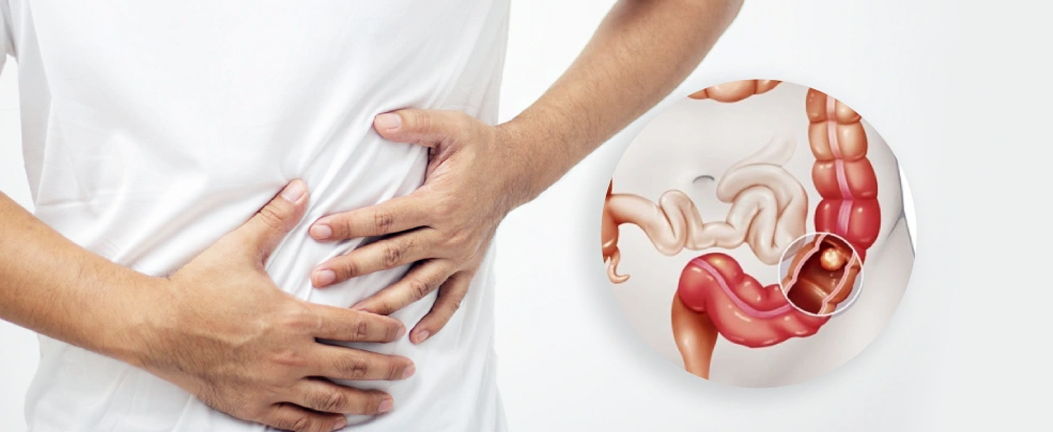
What is Colonic Cancer?
Colonic Cancer, also known as Colon Cancer, is a type of gastrointestinal malignancy that begins in the large intestine (colon). It usually develops from precancerous polyps that gradually grow into cancer over several years. Early detection through screening significantly improves treatment outcomes and survival rates.
Symptoms of Colonic Cancer
- Changes in bowel habits (diarrhea or constipation)
- Blood in stools or rectal bleeding
- Persistent abdominal pain or cramps
- Unexplained weight loss
- Weakness or fatigue
- Iron-deficiency anemia
- Feeling of incomplete bowel emptying
- Bloating or discomfort
Risk Factors
- Family history of colon cancer or polyps
- Age above 50 years
- Inflammatory bowel diseases (Ulcerative Colitis / Crohn’s)
- Diet high in red or processed meat
- Low fiber intake
- Obesity and sedentary lifestyle
- Smoking and alcohol consumption
- Genetic conditions (Lynch syndrome, FAP)
Diagnosis of Colonic Cancer
- Colonoscopy with biopsy (gold standard)
- CT Scan / MRI for staging
- CT Colonography (Virtual colonoscopy)
- Stool tests (FIT, FOBT)
- PET-CT scan to check spread
- Tumor marker CEA (Carcinoembryonic Antigen)
Treatment Options
Treatment depends on the cancer stage, location, and overall health of the patient.
- Surgical Resection: Primary treatment for most colon cancers (removal of tumor and affected portion of colon)
- Chemotherapy: Given before or after surgery depending on stage
- Targeted Therapy: For advanced or metastatic cancer
- Immunotherapy: For selected patients with genetic markers (MSI-H / dMMR)
- Endoscopic removal of early polyps: Prevents progression to cancer
- Palliative care: For symptom relief in advanced stages
Possible Complications
- Bowel obstruction
- Bleeding from tumor
- Spread to liver, lungs, or lymph nodes
- Severe anemia and fatigue
- Perforation of the colon
- Malnutrition and weight loss
Diet & Lifestyle Tips for Prevention & Recovery
- Eat a high-fiber diet (fruits, vegetables, whole grains)
- Limit red and processed meats
- Maintain a healthy weight
- Exercise regularly
- Avoid smoking and alcohol
- Stay hydrated and follow balanced meals
- Undergo routine screening colonoscopy after age 50
Why Early Detection is Crucial?
Colon cancer often starts as small polyps without symptoms. Early screening helps detect and remove these polyps before they turn cancerous. Treatment at an early stage is highly successful and offers excellent long-term outcomes.
Book an Appointment – Dr. Harshad Khairnar
For expert diagnosis and advanced treatment of colon cancer, polyps, and digestive symptoms, schedule your appointment with Dr. Harshad Khairnar today. Receive personalized care and comprehensive management for the best possible recovery.