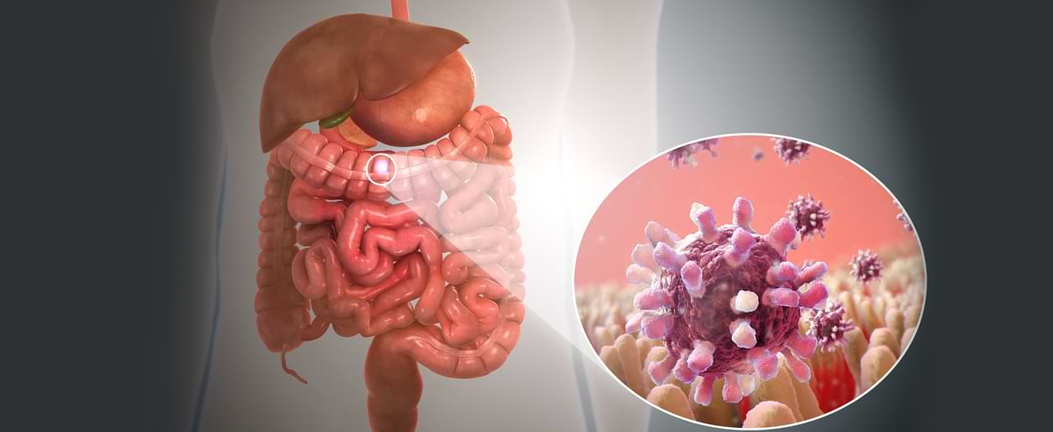
What are GI Malignancies?
GI Malignancies refer to cancers affecting the gastrointestinal (GI) tract, including the esophagus, stomach, intestines, colon, rectum, pancreas, liver, and bile ducts. These cancers often develop silently and may present symptoms only in advanced stages, making early detection crucial for effective treatment.
Common Types of GI Malignancies
- Esophageal Cancer
- Gastric (Stomach) Cancer
- Colorectal Cancer
- Pancreatic Cancer
- Biliary Tract Cancer
- Liver Cancer (HCC)
What is Hepatocellular Carcinoma (HCC)?
Hepatocellular Carcinoma (HCC) is the most common type of primary liver cancer. It usually develops in individuals with chronic liver disease, cirrhosis, Hepatitis B or C, or long-standing fatty liver. Early diagnosis improves treatment outcomes significantly.
Symptoms of GI Malignancies / HCC
- Unexplained weight loss
- Abdominal pain or discomfort
- Loss of appetite
- Fatigue and weakness
- Jaundice (yellowing of skin and eyes)
- Altered bowel habits
- Vomiting or blood in vomit/stool
- Abdominal swelling (ascites)
Risk Factors
- Chronic Hepatitis B or C infection
- Liver cirrhosis
- Alcoholic liver disease
- Non-alcoholic fatty liver disease (NAFLD/NASH)
- Smoking and alcohol intake
- Family history of GI cancers
- Poor diet and sedentary lifestyle
- Obesity and diabetes
Diagnosis of GI Malignancies / HCC
- Liver function tests and tumor markers (AFP for HCC)
- Ultrasound, CT Scan, or MRI abdomen
- Endoscopy or colonoscopy with biopsy
- PET-CT scan for cancer staging
- FibroScan for underlying liver disease
- Histopathological examination
Treatment Options
Treatment depends on the type, location, and stage of cancer as well as liver function in cases of HCC.
- Surgical removal of tumors (where possible)
- Local ablative therapies such as RFA or microwave ablation
- TACE (Transarterial Chemoembolization)
- Systemic therapies including targeted therapy & immunotherapy
- Chemotherapy & Radiation for selected cancers
- Liver Transplantation in early-stage HCC with cirrhosis
- Endoscopic treatments for early GI tumors
- Palliative care to improve quality of life in advanced stages
Prevention & Early Detection
- Vaccination for Hepatitis B
- Regular screening for hepatitis & cirrhosis patients
- Avoid alcohol & quit smoking
- Maintain a healthy weight
- Eat a balanced, low-fat, antioxidant-rich diet
- Routine endoscopy or colonoscopy in high-risk individuals
Why Early Detection is Important?
Early diagnosis allows timely intervention, which significantly improves survival rates in GI cancers and HCC. Regular screening and monitoring are essential for individuals with chronic liver disease or high-risk conditions.
Book an Appointment – Dr. Harshad Khairnar
For expert diagnosis and comprehensive management of GI malignancies and liver cancer (HCC), schedule your appointment with Dr. Harshad Khairnar today. Receive advanced, personalized care for better treatment outcomes.