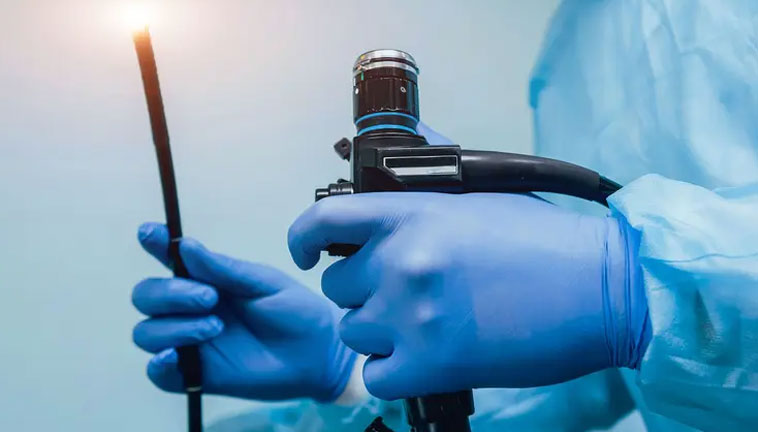
What is Endoscopy?
Endoscopy is a minimally invasive procedure used to examine the inside of the digestive tract using a thin, flexible tube with a camera. It helps diagnose and treat conditions affecting the esophagus, stomach, duodenum, and colon. Endoscopy provides real-time visualization, enabling early detection of diseases and performing therapeutic procedures without major surgery.
When is Endoscopy Needed?
- Persistent acidity or heartburn
- Difficulty swallowing
- Unexplained vomiting or nausea
- Upper abdominal pain
- Chronic indigestion
- Gastric or intestinal bleeding
- Suspected ulcers or gastritis
- Screening for cancer or polyps
Types of Endoscopy
- Upper GI Endoscopy (EGD) – Examines esophagus, stomach & duodenum
- Colonoscopy – Examines the large intestine & rectum
- Sigmoidoscopy – Examines the lower colon
- ERCP – For bile duct & pancreatic disorders
- Endoscopic Ultrasound (EUS) – For detailed imaging of GI tract
- Capsule Endoscopy – Capsule camera to view small intestine
What Can Endoscopy Diagnose?
- Gastritis & Peptic Ulcers
- Hiatal Hernia
- Barrett’s Esophagus
- Esophageal Stricture
- Inflammatory Bowel Disease (IBD)
- Colon Polyps
- GI Bleeding
- Celiac Disease
- Early-stage cancers
Endoscopic Treatments
- Polyp Removal
- Biopsy
- Control of bleeding
- Dilation for strictures
- Foreign body removal
- Stent placement
- Banding for varices
Why Choose Endoscopy?
Endoscopy is safe, quick, and highly effective in diagnosis and treatment. It avoids major surgery, provides accurate results, and ensures faster recovery. It is recommended for patients with persistent digestive symptoms or as a preventive screening test after the age of 45.
Book an Appointment – Dr. Harshad Khairnar
For advanced endoscopy and digestive health evaluation, book your appointment with Dr. Harshad Khairnar. Get expert diagnosis, safe procedures, and comprehensive gastrointestinal care.