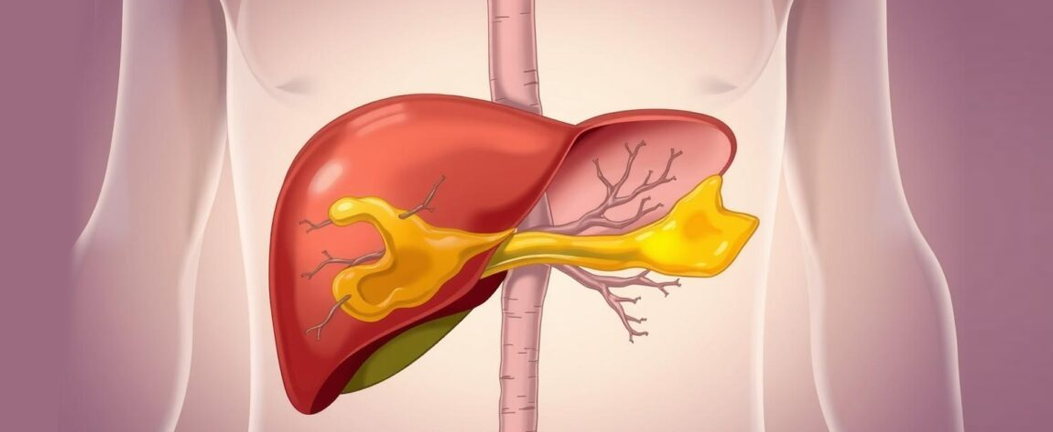
Jaundice is not a disease in itself but a visible sign that something is wrong inside the body, most commonly related to the liver. When the skin and eyes turn yellow due to excess bilirubin in the blood, it signals an underlying condition that needs timely medical evaluation. This is where a specialist for jaundice diseases plays a critical role. A trained liver and digestive system expert can identify the root cause and guide patients toward effective treatment before complications develop.
A Jaundice specialist is typically a hepatologist or a gastroenterologist with expertise in liver disorders. These doctors are trained to diagnose and manage conditions affecting the liver, gallbladder, bile ducts, and pancreas. Since jaundice often stems from liver infections such as hepatitis, bile duct obstruction, gallstones, fatty liver disease, or even more serious issues like cirrhosis, consulting the right specialist ensures accurate diagnosis and targeted care.
The first step in managing jaundice is identifying its cause. A specialist conducts a detailed clinical evaluation that includes reviewing symptoms such as fatigue, abdominal pain, dark urine, pale stools, nausea, itching, and loss of appetite. Blood tests are ordered to measure bilirubin levels, liver enzymes, and markers of infection. Imaging studies like ultrasound, CT scan, or MRI may be recommended to detect blockages or structural abnormalities in the liver and bile ducts. In certain cases, advanced diagnostic procedures are performed to gain deeper insights into the condition.
Treatment depends entirely on the underlying reason behind the jaundice. If the cause is viral hepatitis, the specialist may prescribe antiviral medications and supportive care. In cases of obstructive jaundice due to gallstones or bile duct blockage, minimally invasive procedures may be performed to remove the obstruction and restore normal bile flow. When jaundice is related to alcohol-related liver damage or fatty liver disease, lifestyle modification, medication, and long-term monitoring become essential parts of the treatment plan. Early intervention significantly improves recovery outcomes and prevents long-term liver damage.
One of the most important aspects of consulting a jaundice specialist is ongoing monitoring. Liver conditions can sometimes progress silently, and regular follow-ups help track liver function and prevent recurrence. A specialist also provides dietary guidance, recommending a balanced diet that supports liver health while avoiding foods and habits that may worsen the condition. Patients are educated about hydration, proper medication adherence, and avoiding self-medication, which can further harm the liver.
In newborns, jaundice is common and often temporary, but persistent or severe cases require pediatric evaluation. A specialist ensures that bilirubin levels are safely controlled to prevent complications. In adults, however, jaundice should never be ignored. Delaying treatment can lead to serious consequences including liver failure or chronic liver disease.
Choosing a qualified specialist for jaundice diseases ensures comprehensive care, accurate diagnosis, and personalized treatment planning. The liver performs hundreds of essential functions in the body, and protecting its health is vital for overall well-being. If symptoms of jaundice appear, seeking expert medical attention without delay is the safest approach. With proper care and guidance from an experienced specialist, most causes of jaundice can be effectively managed, allowing patients to recover and maintain long-term liver health.
Early diagnosis helps identify the exact cause of obstruction and prevents irreversible liver damage. Timely intervention—especially with ERCP—can relieve symptoms quickly and reduce the risk of complications.
For accurate diagnosis and advanced treatment of obstructive jaundice and related conditions, book your consultation with Dr. Harshad Khairnar today.